


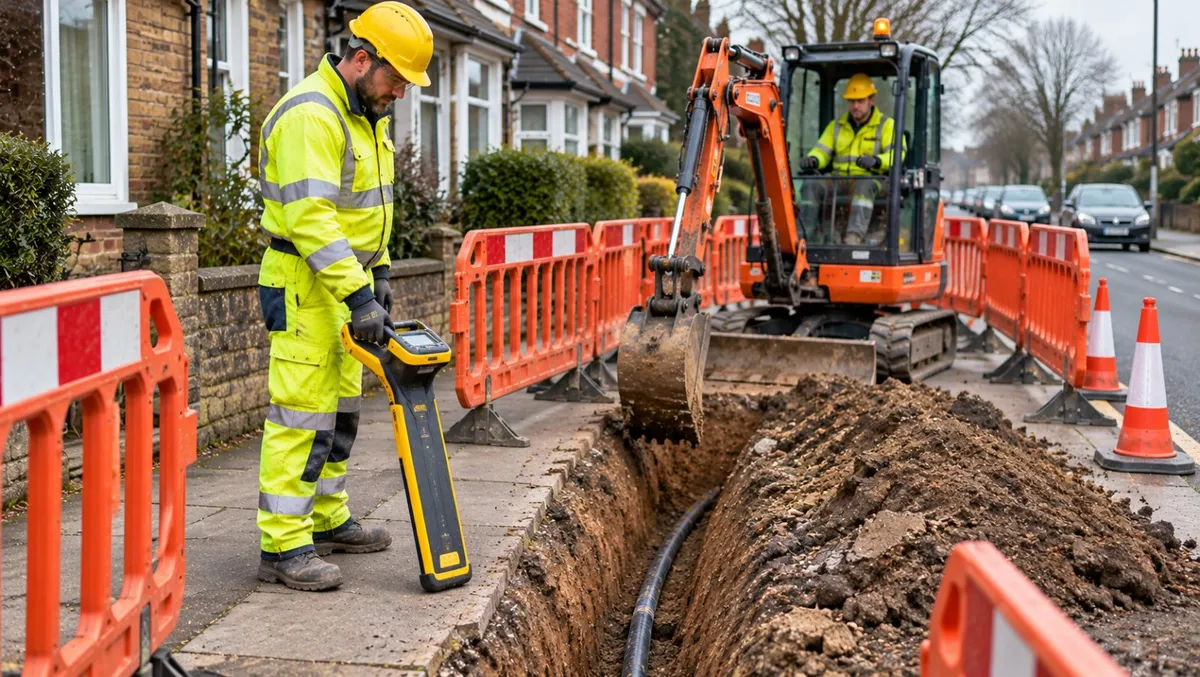
Telecoms Contractor Insurance After a Cable Strike Claim
Yes, telecoms contractors can usually get insurance after a cable strike claim, but expect closer questioning and possibly tighter terms at first. A strike on a power cable, gas main, water pipe or another operator's duct is one of the most common liability claims in fibre and telecoms work, so underwriters see them regularly. What they want to know is why it happened and whether it is likely to happen again. Insurers who have paid a strike claim may raise the underground services excess, add conditions about plans and locating equipment, or decline to renew. Specialist and Lloyd's markets will often consider the risk if you can show the precautions you took, the findings of your own investigation, and the practical changes you have made since. A clear, honest presentation through a specialist broker is the single biggest factor in getting cover back on workable terms.
Struggling to renew after a cable strike?
Get a quote online or speak to a specialist broker directly.
Key facts at a glance
- Strikes are common, not fatal. Underwriters expect them in this sector and look at how you manage the risk.
- Underground services terms vary. Policies may exclude, sub-limit or apply a higher excess to buried services damage.
- Conditions can decide a claim. Some covers depend on plans being obtained and CAT and Genny being used.
- HSG47 is the benchmark. Insurers judge your digging procedure against HSE guidance on avoiding underground services.
- Evidence beats explanation. Records of plans, scans, permits and training carry more weight than assurances.
What counts as a cable or utility strike claim?
Strikes happen during excavation, moling, coring, drilling and rodding. The claim may arrive months later, and the excess and policy wording decide how much falls on you.
How do underground services exclusions and excesses work?
| Approach | What it means for you |
|---|---|
| Full exclusion | No cover for damage to underground services. Unsuitable for anyone who digs. |
| Extension with conditions | Cover applies only if set precautions are followed, such as plans, scanning and hand digging. |
| Separate higher excess | Each strike carries its own excess, often higher than the standard one. |
| Sub-limit | A lower maximum for underground services than the main liability limit. |
After a claim, expect a higher excess or stricter conditions. Failing to meet a condition could leave a future strike uninsured.
What do HSG47, CAT and Genny mean for your insurance?
In broad terms, HSG47 expects you to plan using available records, locate and mark services with suitable equipment used by trained people, and dig safely near them, including hand-dug trial holes. CAT and Genny are not guarantees: plastic pipes may not be detected and plans can be wrong, so underwriters look at the whole system. Our guide to street works and civils insurance for fibre rollout covers digging risks in more depth.
Why do permits, plans and records matter?
- Utility plans obtained before work starts, with the date requested.
- A permit to dig, signed by a competent supervisor.
- CAT and Genny scan records, with operator names and calibration dates.
- Marked-up photos of service positions and trial holes.
- Training records for every operative, including subcontractors.
How should you present a cable strike claim to new insurers?
- Describe the incident. Date, location, service struck, type of work and who was involved.
- Show the precautions. Plans, scans, permits and the method used at the time.
- Explain the cause. For example, an unrecorded service or a missed step in the procedure.
- Set out the outcome. Claim status and any amount paid or reserved, as confirmed by your insurer.
- Evidence the improvements. Retraining, new equipment, revised procedures and supervision checks.
If your previous insurer cancelled or declined, our guides to insurance cancelled by an insurer and business insurance with a claims history explain the next steps, and policy voided for non-disclosure shows why full disclosure matters.
What improvements help you get cover again?
A clean record usually brings terms back towards normal over time. Our fibre and telecoms contractor insurance page explains the wider programme, and the Insurability Framework™ shows how we rebuild difficult risks. Splicing firms working in chambers should also read our fibre splicing and jointing subcontractor guide.
Frequently asked questions
Usually not. Strikes are common in telecoms and civils work. Specialist and Lloyd's markets will often consider the risk if you can explain what happened and show improvements, although terms may be tighter at first.
Insurers often raise it after a strike claim to share more of the cost of future strikes. Claim-free years and improved procedures can help bring it down.
Yes. Disclose all claims the proposal asks about, whatever the outcome. You can explain the circumstances, but leaving a claim off could invalidate cover.
No. Using locating equipment may be a condition of cover, but the full policy terms still apply. Keep records of scans and training so you can show the condition was met.
HSG47 is HSE guidance on avoiding danger from underground services. It covers planning, locating services and safe digging practice, and insurers use it as a benchmark for contractor procedures.
No. Vans and other road vehicles are insured separately under motor policies.
Related guides from Miller & Partner







Instagram
LinkedIn