


Telegraph Pole & Overhead Line Worker Insurance UK
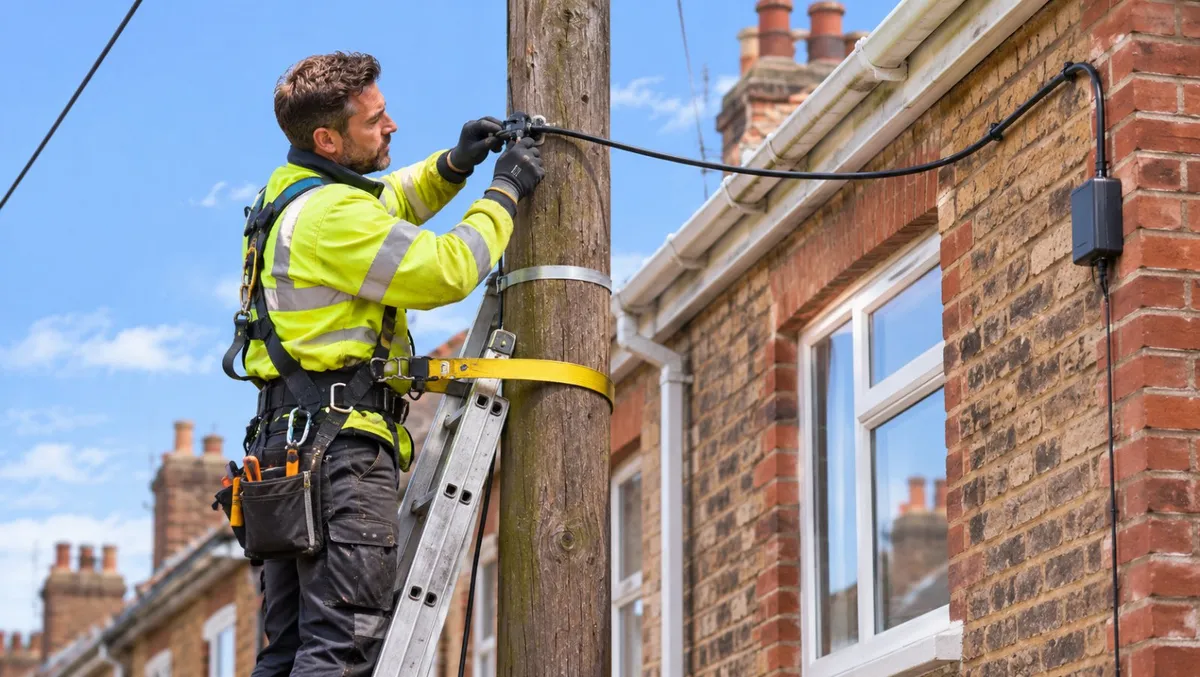
Telegraph pole and overhead line workers need public liability with an adequate height allowance, employers' liability that covers climbing operatives, and cover for plant, tools and contract works, all disclosed accurately to a specialist market. Pole work sits outside the appetite of many standard tradesman policies because of the height involved, the exposure of the public and property below, and the occasional proximity to power lines. A suitable policy should describe the activities you actually carry out: climbing poles, working from ladders or MEWPs, erecting and tensioning aerial cable, dropwiring to premises and pole testing. Insurers will want your maximum working height, how operatives are trained and assessed, whether you ever work near overhead power lines and how much of your work is subcontracted. Getting those answers right at proposal stage matters more than price, because an undisclosed height or activity can leave a claim unpaid. Main contractors will also check your limits before releasing work.
Need insurance for pole and overhead line work?
Cover for climbing and aerial cabling crews. Get a quote online or speak to a specialist broker directly.
Key facts at a glance
- Height is the first question. Many standard policies carry a height limit that pole and MEWP work can exceed.
- The public is directly below. Dropped tools and low cable cause injury and property damage claims.
- Climbers need EL. It must cover everyone under your direction, including labour-only workers.
- Power lines change the risk. Insurers ask whether you work near them and how.
- Contracts set your limits. Main contractors and network operators commonly set minimum liability limits in their subcontract terms.
What does telegraph pole and overhead line insurance cover?
For the wider sector, see our fibre and telecoms contractor insurance page.
| Cover | Why it matters on poles |
|---|---|
| Public liability | Falling objects, cable across roads, damage to buildings and vehicles below |
| Employers' liability | Falls from poles, ladders and MEWP platforms |
| Contract works | Cable, closures and fittings damaged before handover |
| Hired-in plant | MEWPs and cable trailers where hire terms make you responsible |
| Own plant and tools | Climbing kit, testers and tensioning equipment |
Why do insurers ask about working height?
Underwriters assess climbing, ladders and MEWPs separately; MEWPs also bring overturning and outrigger damage to drives. Give your genuine maximum height, because a fall above a policy's height limit may not be covered. The Work at Height Regulations 2005 require planning and competent people, and insurers expect your method statements to show it.
Who is liable when cable or tools fall onto property below?
Typical claims include:
- Parked vehicles damaged by dropped tools or hardware
- Roofs, fascias and gutters damaged when dropwiring to premises
- Pedestrians injured where no exclusion zone was set
- High-sided vehicles snagging cable strung too low across a road or entrance
Record clearance heights at handover. If your crews also dig for poles or ducted drops, see our guide to street works and civils insurance for fibre rollout.
How do pole condition and power lines affect cover?
If you sell pole testing as a service, a wrong condition report is an advice risk that liability cover may not answer, so you may need professional indemnity as well.
Does employers' liability cover pole climbers?
Labour-only chains are where gaps appear, so keep your wageroll split accurate. Splicing teams face the same issue, covered in our fibre splicing and jointing subcontractor insurance guide.
How can pole and overhead crews get better terms?
- State your real maximum height and access method for each task.
- Provide training records for climbing, rescue and MEWP operation.
- Share method statements for exclusion zones and dropped-object control.
- Split turnover and wageroll between pole work, other work and subcontracted labour.
- Disclose claims honestly, with what has changed. After a damage claim, see our guide to cover after a cable strike claim.
Frequently asked questions
Often not. Many carry height limits or exclude telecoms aerial work. Check the business description and any height condition before relying on one.
Main contractors and network operators commonly set minimum liability limits in their subcontract terms. Arrange at least that, and consider more if you work over busy roads or near valuable property.
Liability covers injury and damage to others caused by your use of the MEWP, not damage to the machine. For that you need hired-in plant cover.
Very likely. Labour-only subcontractors under your direction are often treated as employees for EL. Only bona fide subcontractors with their own cover sit outside, and you should keep evidence of it.
Accidental damage to third-party property normally falls under public liability, subject to the excess and terms. Make sure dropwiring to premises appears in your business description.
Usually, through specialist and Lloyd's markets. Underwriters will ask what happened, what has changed and whether there was enforcement action. A clear, honest account helps secure terms.
Related guides from Miller & Partner







Instagram
LinkedIn