



Timber Frame Building Refused Insurance? | UK Specialist Cover
If your timber-framed building has been refused cover or heavily loaded, it is usually because the insurer's rating system treats timber structure as non-standard construction, not because the building itself is a bad risk. Mainstream insurers often decline timber frame, SIPs and CLT buildings automatically, or accept them only with a large premium loading, a higher escape of water excess or restrictive conditions. Specialist and Lloyd's markets write these buildings deliberately. The way to better terms is to describe the construction accurately, evidence the fire separation, detection and leak controls, deal with any refusal or claim openly, and present the building once to the right underwriters. Miller & Partner does this for owners, landlords and freeholders of timber-framed commercial and residential property across the UK.
Key facts at a glance
- Refusals are usually automatic. Many insurers' systems decline or refer anything that is not standard brick or stone with a tiled or slated roof.
- Loadings are negotiable. Evidence on fire separation, detection and leak controls moves both premium and excess.
- Escape of water is the hidden issue. Water damage in timber structures is expensive to put right, so excesses are often raised.
- Misdescription is the real danger. Recording a timber-framed building as brick-built can lead to a reduced or refused claim.
- Past refusals must be disclosed. Hiding a decline makes the problem worse; explaining it helps.
- Specialist markets exist. Lloyd's syndicates and specialist MGAs write timber construction as a deliberate appetite.
Why do insurers refuse or load timber-framed buildings?
Most mainstream property policies are built around "standard construction": brick or stone walls with a slate or tile roof. Anything else is non-standard, and timber frame is one of the most common non-standard types. Some insurers refer it to an underwriter, some apply a fixed loading, and some will not quote at all. That decision is made about the category, not your building.
The concerns behind it are real but manageable:
- Fire spread. If cavity barriers or fire stopping are missing or damaged, fire can travel through concealed spaces.
- Escape of water. Leaks can soak into timber frames and floors, leading to rot, mould and expensive repairs.
- Reinstatement cost. Rebuilding in timber can need specialist contractors and longer lead times.
- Uncertain construction. Where an insurer does not know exactly how the building was put together, it assumes the worst.
For a full overview of how these buildings are underwritten, see our main guide to timber frame and mass timber building insurance.
What does a "loaded" quote actually mean?
| What you may see | What it means | What can improve it |
|---|---|---|
| Premium loading | An extra charge on top of the standard rate for the timber structure. | Evidence of fire separation, detection and good management. |
| Higher escape of water excess | You carry more of each water damage claim yourself. | Leak detection, automatic shut-off valves and maintenance records. |
| Fire protection conditions | Requirements to maintain alarms, detection or fire doors. | Service records and a current fire risk assessment. |
| Unoccupancy restrictions | Cover narrows if the building or parts of it are empty. | Inspection and security routines agreed in advance. |
| Outright decline | The insurer does not write timber construction at all. | A specialist market with timber appetite. |
If the loaded quote also pushes you towards a lower sum insured to save money, be careful. Underinsurance can reduce every claim you make. See underinsurance and the condition of average.
Is your building recorded correctly on your current policy?
Many timber-framed buildings have a brick or block outer skin, so they look like masonry from the outside. Owners, previous brokers and online forms often record them as "standard construction" without anyone checking. If an insurer later finds the structure is timber, it can rely on the misdescription to reduce or refuse a claim, or in serious cases treat the policy as void.
If you are unsure, check the survey, the original plans, building control records or a lender's valuation. If it turns out the description is wrong, tell your insurer or broker and get the schedule corrected mid-term; that is routine and far better than discovering it at claim stage. If a policy has already been voided, see insurance after a policy is voided for non-disclosure.
How do you get better terms on a timber-framed building?
- Pin down the construction. Frame type (open panel, closed panel, SIPs, CLT), outer skin, roof, number of storeys and year built.
- Evidence the fire separation. Cavity barriers, fire stopping and compartmentation, ideally with a recent fire risk assessment or intrusive survey.
- Show the fire protection. Alarm and detection type, monitoring, sprinklers or misting where fitted, and service records.
- Deal with water. Leak detection, automatic shut-off valves, plumbing condition and maintenance records all bring the escape of water excess down.
- Set the right sum insured. Use a professional reinstatement valuation that reflects rebuilding in timber.
- Explain the history. Previous refusals, loadings and claims, with what has changed since.
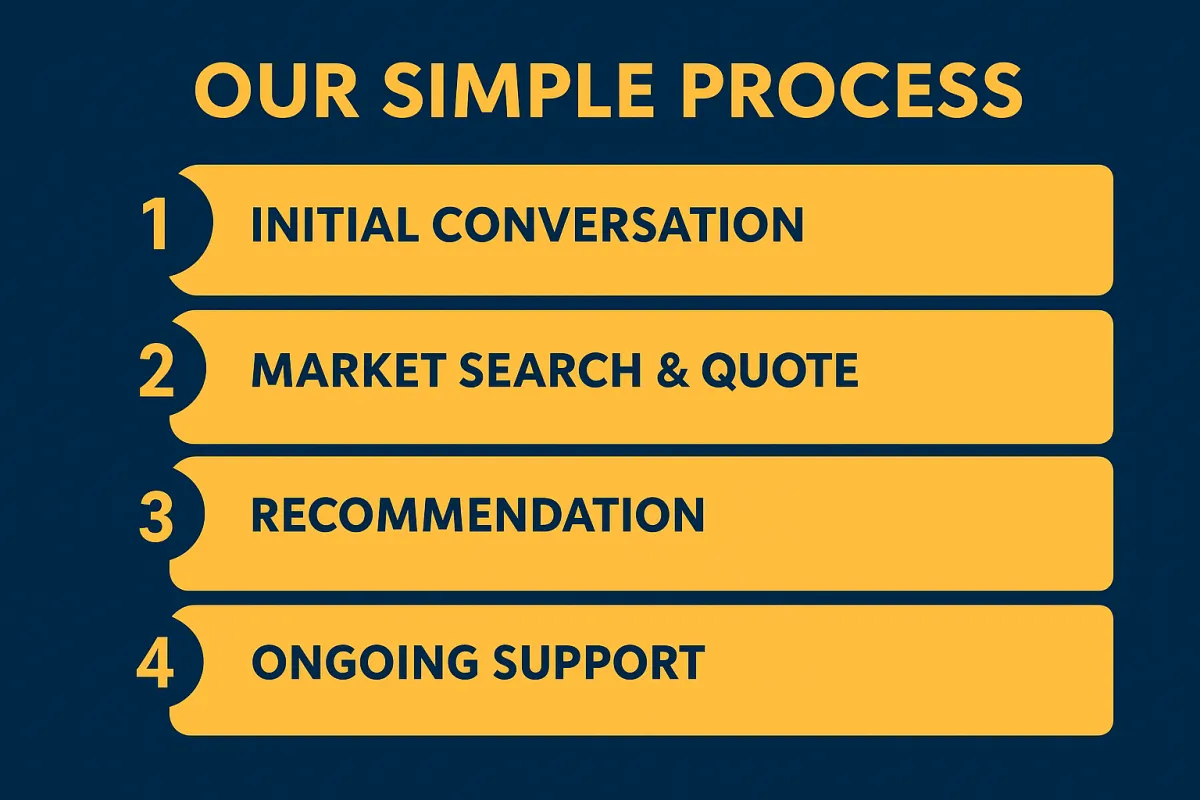
This is the core of the Insurability Framework™: we assemble that evidence, address the refusal head-on and present the building once to underwriters who write timber deliberately, rather than letting it bounce around automated systems.
What if you have also had a claim?
Be ready to explain the cause, the repairs carried out (including any opening-up of walls and floors), and the steps taken to stop it happening again. Repairs that reinstated cavity barriers or upgraded detection can actually improve how the building is seen. See commercial property insurance after a claim, and for residential blocks, block of flats insurance after a claim.
Which buildings do we place?
- Timber-framed blocks of flats, including those with fire safety remediation in progress. See timber frame block of flats insurance.
- CLT and mass timber buildings, offices and residential. See CLT and mass timber building insurance.
- Timber-framed commercial property, shops, offices and mixed-use buildings. See commercial property insurance and mixed-use block insurance.
- Other non-standard construction, including PRC and thatch. See non-standard construction property insurance and thatched property insurance.
- Buildings still under construction. See timber frame construction insurance.
Frequently asked questions
Most often because the insurer does not write non-standard construction, or its system declines timber frame automatically. That is a judgement about the category, not about your building. Specialist markets will assess the building on its own merits.
Sometimes removed, more often reduced. Evidence of fire separation, detection, sprinklers and leak controls gives underwriters a reason to price closer to standard construction. Presenting the building properly to a market with timber appetite makes the biggest difference.
Water damage in timber structures can be expensive to repair because walls and floors may need opening up and drying. Insurers often raise the escape of water excess as a result. Leak detection, automatic shut-off valves and good maintenance records can bring it down.
Check the survey, original plans, building control records or a lender's valuation. Many timber-framed buildings have a brick outer skin, so they look like masonry from outside. If you are not sure, say so rather than guessing.
Tell your insurer or broker and correct the schedule now. Mid-term corrections are routine. Left uncorrected, the insurer may rely on the misdescription to reduce or refuse a claim.
For commercial insurance you must make a fair presentation of the risk, and previous refusals are usually asked about directly. Disclose them and explain them; a refusal with a clear reason behind it is far less damaging than one an insurer finds later.
Yes. Sprinklers or misting systems directly reduce the risk of a fire becoming a total loss, which is the main concern behind timber loadings. Combined with good compartmentation and detection, they can bring in insurers who would otherwise decline.
Not necessarily. A specialist market that wants timber construction often prices it better than a mainstream insurer applying a blanket loading. The quality of the information you provide has more effect on price than shopping around.
Related guides from Miller & Partner







Instagram
LinkedIn